
Home » Listings » RentaSenior Blog
Your 5-Year Retirement Countdown
Are You Really Ready to Retire?
Retirement is one of those things that always seems to be a few years away.
Then suddenly it isn’t.
You start counting in months rather than years and questions that were once fairly theoretical become rather important.
How much will my pensions actually pay? Can we afford to retire? Will the mortgage be gone? What will our bills look like? And perhaps the question people don’t think about enough:
What am I actually going to do all day?
There’s far more to preparing for retirement than choosing a date and waiting for your pension to arrive.
So we’ve put together a simple Rentasenior retirement countdown, starting five years before you retire.
We’ve also created a free Excel spreadsheets that you can download and use at home.
FREE DOWNLOAD 1: Retirement Countdown Planner
Our first spreadsheet gives you a checklist starting five years before retirement and takes you right through to retirement and beyond.
Download the free Rentasenior Retirement Countdown Planner
You don’t have to complete everything at once. Save it and come back to it as retirement gets closer.

5 years before retirement – find out where you stand
Five years might seem ridiculously early to start thinking seriously about retirement.
It isn’t.
The advantage of starting now is that if you discover something isn’t quite right, you’ve still got time to do something about it.
The first job is simply to find out what you’ve got.
If you’ve worked for a number of companies during your career, you may have several workplace pensions. There might even be one you’ve completely forgotten about.
Make a list of them.
Write down the provider, policy or membership number, approximate value and when you expect to be able to take the pension.
Then check your State Pension forecast.
Check your State Pension forecast – GOV.UK
It’s also worth looking at your National Insurance record.
Check your National Insurance record – GOV.UK
Don’t assume everything is correct simply because you’ve been working for 40 years. Check it.
Then start thinking about what retirement is actually going to cost.
And that’s where our second spreadsheet comes in.
How much money will you actually need?
People often concentrate on how much their pension pot is worth.
That’s important, but there’s another question that’s just as useful:
How much does your life cost every month?
It’s surprisingly easy not to know.
The mortgage or rent is obvious. But then there’s council tax, electricity, gas, water, broadband, mobile phones, TV, insurance, cars, petrol, pets, credit cards, loans, holidays and dozens of smaller expenses.
If you’re supporting children through university, that’s another potentially substantial expense.
So we’ve created a second free spreadsheet.

FREE DOWNLOAD 2: UK Retirement Money Planner
Download the free Rentasenior Retirement Money Planner
You can use it as a single person or as a couple.
Enter your monthly income from:
State Pension | Private Pensions | Part-time Work | Full-time Work | Other Income
Couples can enter their incomes separately.
Then work through your household spending.
The spreadsheet includes mortgage or rent, council tax, electricity, gas, water, broadband, TV, mobile phones, home insurance, loans, credit cards, car finance or leasing, car insurance, fuel, servicing, food, pets, holidays, entertainment, university costs and plenty more.
Put the real figures in.
At the bottom you’ll see the number that really matters:
Money left at the end of the month
If your expected retirement income is £3,500 a month and your normal life costs £3,200, you’ve got £300 left.
If your expenditure is £3,800, you’ve discovered a £300 monthly shortfall.
Finding that out five years before retirement gives you options.
Finding it out six months after retiring is rather less convenient.
2 years before retirement – have a rehearsal
By now you should have a much better idea of what your pensions could provide and what your household actually costs.
Update the figures in your Rentasenior Money Planner.
Then try something that sounds simple but can be remarkably revealing.
Live on your retirement income for three months
Suppose you and your partner currently bring home £5,000 a month but expect to have £3,400 after retiring.
Try living on £3,400.
Put the other £1,600 away.
After three months, ask yourselves:
How did that feel?
If it was perfectly comfortable, that’s reassuring.
If you were dipping into the £1,600 every fortnight, you need to understand why.
You’ve also potentially saved another £4,800 while carrying out the experiment.
12 months before retirement – things are getting real
Now it’s time to start checking the details.
Speak to your pension providers and understand their timescales and the options available to you.
Check your employer’s notice requirements.
Update your State Pension forecast.
Review your savings and debts.
And have another look at your Money Planner because your circumstances may have changed considerably since you first completed it.
For general information about pensions and retirement, MoneyHelper is a useful starting point.
MoneyHelper – Pensions and Retirement
People aged 50 or over with UK defined contribution pensions may also be eligible for a free Pension Wise appointment.
There are some pension decisions where getting proper regulated financial advice may be sensible. Don’t make a major decision simply because your friend Dave retired three years ago and told you what he did.
Your circumstances aren’t Dave’s.
6 months before retirement – stop thinking about money for a moment
You’ve checked the pensions.
You’ve done the spreadsheet.
You know roughly what the bills are.
Now there’s another question.
Imagine you’ve been retired for six months.
It’s February.
It’s raining.
It’s Tuesday morning.
You’ve had breakfast, watched the news and it’s 9.30am.
What are you doing today?
This part of retirement gets surprisingly little attention.
Work doesn’t only provide money.
It gives you somewhere to go. People to talk to. Problems to solve. A reason to get up. People who need your knowledge.
After 30 or 40 years, that structure can disappear on a Friday afternoon.
Some people absolutely love it.
Others find it much harder than they expected.
So plan your time as well as your money.
Perhaps you’d like to travel.
Look after the grandchildren.
Join a walking group.
Volunteer.
Learn a language.
Go fishing.
Restore a car.
Spend more time gardening.
Or perhaps you’d actually like to carry on working occasionally.

You don’t have to stop working completely
Retirement doesn’t have to mean working five days a week or not working at all.
There’s an enormous amount of space between the two.
You might quite enjoy doing five or ten hours a week.
Not because you desperately need the money, but because you enjoy being useful.
And if the extra income pays for a holiday, even better.
That’s one of the reasons we created Rentasenior.
Someone who has spent 35 years as an accountant doesn’t stop understanding accounts because they’ve retired.
A retired teacher can still teach.
An experienced gardener can still help somebody with their garden.
The same applies to DIY, decorating, cooking, pet sitting, IT support, bookkeeping and countless other skills.
You may have finished with the daily commute and office politics.
That doesn’t mean you’ve finished being useful.
1 month before retirement – check everything
Now go back to the Retirement Countdown spreadsheet.
Make sure the important things have actually been done.
Check when pension payments are due to start.
Check the bank details.
Understand what happens to any benefits provided by your employer.
Make sure you have some accessible money available for unexpected expenses.
Check your important documents.
If appropriate, review your will and whether arrangements such as a Lasting Power of Attorney are relevant to you.
For information covering England and Wales:
Lasting Power of Attorney – GOV.UK
And then do something rather more enjoyable.
Plan your retirement celebration.
After decades of working, you’ve earned one.

Retirement day
That’s it.
No alarm tomorrow morning.
It can feel wonderful and slightly strange at the same time.
Don’t feel you have to create the perfect retirement immediately.
Give yourself a little time.
But keep using the Money Planner.
The first year will tell you far more about what retirement actually costs than all the estimates you made beforehand.
You might spend less on commuting and lunches.
You might spend more on heating because you’re at home during the day.
You might travel more.
You may discover that Sunday lunch with the family costs considerably more when you’re paying for everyone.
Real life rarely follows a spreadsheet perfectly.
The spreadsheet simply helps you see what’s happening.
6 months after retirement – do a proper check
Get the two spreadsheets out again.
Look at what you thought would happen and compare it with what actually happened.
Are you spending more than expected?
Are you spending less?
Are your pension payments what you expected?
Have any big expenses appeared?
Do you need to adjust anything?
Then forget about the money for a moment.
Ask yourself:
Am I enjoying retirement?
Are you seeing enough people?
Are you doing the things you said you’d do?
Do you miss work?
Or perhaps more accurately:
Do you miss the job, or do you miss feeling useful?
There’s a big difference.
Give yourself an annual Life MOT
Once a year, sit down for an hour with a cup of tea or coffee and go through everything again.
Check your income.
Check your spending.
Check your pensions.
Check insurance renewals.
Look at the house.
Check your will and important documents.
Check when your passport and driving licence expire.
Think about whether anything has changed within the family.
Then ask one final question:
What do I want to do during the next 12 months?
That’s every bit as important as checking the bank balance.
Because retirement planning shouldn’t simply be about making your money last until you die.
It should be about making something of the years in between.
Download both free Rentasenior retirement planners
Rentasenior Retirement Countdown Planner
Start five years before retirement and work through the things worth checking at each stage.
Rentasenior UK Retirement Money Planner
Enter your income and household expenses and see what you’re likely to have left at the end of each month.
It works for individuals and couples and includes State Pension, private pensions, employment income, housing, household bills, debts, cars, holidays, pets and family expenses.
Both spreadsheets are free to use.
And remember:
You may retire from your job. You don’t retire from your skills, knowledge or experience.
Visit Rentasenior.co.uk to find out more.
The information and spreadsheets in this article are intended as general information and budgeting/organisation tools. They aren’t personalised financial, pension, investment, tax, debt or legal advice. Pension and retirement decisions can have significant long-term consequences. If you’re unsure about your circumstances, consider taking appropriate professional advice.
Home » Listings » RentaSenior Blog
Fancy Going Mushroom Hunting?

Going into autumn there is something rather satisfying about heading into the woods and seeing what fungi you can find.
You don’t need to be an expert.
Across the UK there are friendly fungus groups that organise fungus forays – walks where people find, identify, photograph and record wild mushrooms and fungi. Beginners are usually very welcome.
British Mycological Society – UK-wide
Probably the best place to start. The British Mycological Society can help you find a local fungus group.
Website:
https://www.britmycolsoc.org.uk/
Local groups:
Buckinghamshire Fungus Group
An active group organising informal woodland and countryside walks. Beginners and families are welcome.
Website:
https://www.bucksfungusgroup.org.uk/
Herts & Beds Fungi Group
Covers Hertfordshire and Bedfordshire, with regular forays and help for beginners.
Website:
https://hertfordshirefungusgroup.org/
Email: hbfg@hotmail.co.uk
Fungus Survey of Oxfordshire
Running since 1987, the group explores Oxfordshire’s woods, grasslands and wetlands.
Website:
https://www.fungusoxfordshire.org.uk/
Email: inkcap@fungusoxfordshire.org.uk
Herefordshire Fungus Survey Group
Runs regular fungus forays throughout the year in woodland, grassland and other habitats.
Website:
https://www.herefordfungi.org/
Email: sharon@herefordfungi.org
Devon Fungus Group
A small and friendly group exploring fungi around Devon.
Website:
https://devonfungusgroup.uk/
North Somerset & Bristol Fungus Recording Group
Organises outings to find, identify and record fungi around Bristol and North Somerset.
Website:
https://www.northsomersetandbristolfungusgroup.co.uk/
Email: nsbfg6@hotmail.com
Leicestershire Fungi Study Group
Organises fungi identification, recording and indoor meetings.
Website:
https://leicsfungi.chessck.co.uk/
Email: membershiplfsg@gmail.com
Norfolk Fungus Study Group
Runs fungus forays throughout much of the year, with more outings during the autumn fungi season.
Website:
https://www.thenfsg.co.uk/
Telephone: 01493 740007
Elsewhere in the UK
There are also groups covering Hampshire, Dorset, Warwickshire, Nottinghamshire, Yorkshire, North West England, Wales, Scotland and Northern Ireland.
To find one near you, start with the British Mycological Society:
https://www.britmycolsoc.org.uk/recording-fungi.html
What happens on a fungus foray?
It’s normally very relaxed. You meet at a woodland, nature reserve or similar location and spend a few hours looking for fungi. Experienced members help identify what everyone finds.
It’s a great excuse to get outdoors, meet people and discover things in the British countryside that most of us normally walk straight past.
Autumn is an especially good time to try it. 🍄
⚠️ Important Disclaimer
This article is for general information only. The clubs and organisations listed are independent, and their inclusion should not be taken as an endorsement of their activities or advice. Please check all event and contact details directly with the organisation before attending.
Never eat a wild mushroom unless you are certain it has been correctly identified as safe to eat by a suitably experienced person.
Some poisonous fungi closely resemble edible varieties and can cause serious illness or death.
Never rely solely on photographs, apps, websites, social media or AI to determine whether a mushroom is safe to eat.
Always obtain any necessary landowner permission and follow local laws, site rules and conservation restrictions when collecting fungi. Participation in foraging, walks and other outdoor activities is at your own risk.
🍄 Enjoy looking, learning and exploring – but if in doubt, don’t eat it.
Rentasenior is a portal for seniors in the UK aged 50 years and over. Through the portal seniors can offer their skills and expertise to their local and wider communities. Furthermore the blog section is full of tips and tricks to get you through your retirement.
Home » Listings » RentaSenior Blog
Liz – Pilates Instructor Surrey
Hi, I’m Liz. My career has taken a few interesting twists and turns over the years. After graduating from Cardiff University in the late ’80s, I swapped lecture halls for the ski slopes, working as a chalet girl before moving into the travel industry with Kuoni and Inghams in product development and marketing. It was a tough job… someone had to visit all those resorts!
After my first son was born, I retrained as a teacher and spent many happy years in education. Little did I know that my next career would begin because of my own back.

Following my first pregnancy, I was diagnosed with hyperlordosis and started experiencing persistent lower back pain. My osteopath recommended Pilates, and it genuinely changed my life. Twenty-five years later, my posture is better than ever and my back pain is a distant memory. Following Covid I decided I wanted a career change and as I loved Pilates so much I qualified as a Level 3 Mat Pilates Instructor.
I have just turned 60 and these days you’ll find me teaching group classes in Horsley, Ripley and Cobham, as well as private sessions. Along the way I’ve also taught antenatal Pilates for BusyLizzy and even delivered Pilates classes at Send Prison—which certainly kept me on my toes!
I’m passionate about helping people move better, feel stronger and gain confidence in their bodies. Whether you’re recovering from injury, improving your posture, enhancing your sporting performance or simply wanting to stay active, my aim is to make Pilates enjoyable, effective and welcoming for everyone.
Behind the scenes, I’m fully qualified in Level 3 Pilates, Anatomy & Physiology, Exercise, Fitness & Health, and I am a specialist in Pre- and Postnatal Pilates. I’m a qualified First Aider, fully insured, and all clients complete a health questionnaire before starting so sessions can be tailored safely to individual needs.
If you’d like to join a class or arrange a one-to-one session, I’d love to hear from you.
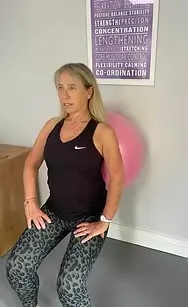
Website: www.pilatestrainingsolutions.com
Rentasenior thanks Liz for her experience
and wishes her all the best with her business.
Rentasenior is a portal for seniors in the UK aged 50 years and over, through the portal seniors can offer their skills and expertise to their local and wider communities.
Home » Listings » RentaSenior Blog
Meet Sally from Sussex

Rentasenior Blog Contribution: Sally from Oasis Paintings
From Market Stall to Studio: It’s Never Too Late to Begin Again
People often talk about retirement as though it is the final chapter of life. For me, it has become the beginning of an entirely new one. At 56, I genuinely feel my career is only just starting.
When I look back, every stage of my working life has played a part in bringing me to where I am today. None of it was wasted. Every role taught me something about people, business and resilience.
In my twenties, as a young mum, I taught English as a Foreign Language between 1992 and 1997. It was an adventure that gave me confidence, independence and a love of meeting people from different cultures.
Later I ran my own market business before opening two galleries, with backing from The Prince’s Trust, in Surrey. Those years taught me how to build a business from nothing, how important customer relationships are and that there is nothing quite like the satisfaction of working for yourself.

In 2005 I qualified as a primary school teacher, another profession centred around encouraging and inspiring others. Although I enjoyed teaching, my career continued to evolve and in 2006 I joined British Airways as ground staff.
Many years later, in 2020, I fulfilled another ambition by joining British Airways again, this time as cabin crew. Sadly, it was a very short-lived chapter. The Covid pandemic brought the aviation industry to a standstill and like thousands of others I suddenly found myself without the career I had been looking forward to.
It was undoubtedly a difficult time, but sometimes life’s greatest opportunities arrive disguised as setbacks.
Painting had always been my first love. Throughout all my other careers it had remained quietly in the background, waiting for the right moment. Losing my airline career finally gave me the opportunity to ask myself what I truly wanted to do with the next stage of my life.
The answer was simple.
I wanted to become a full-time professional artist.
My husband and I took a considerable financial risk. We invested our own savings to refurbish part of a former farm building into my studio gallery on the historic William Robinson Gravetye Estate in Sussex. We are tenants rather than owners, so it was a leap of faith, but one we believed in wholeheartedly.
Six years later that decision has changed our lives. I now make my living entirely from my paintings. My work is stocked by the Royal Botanic Gardens, Kew and Wakehurst Place, I welcome visitors to my own studio gallery and I regularly ship paintings to collectors throughout the UK and internationally.
People sometimes assume that artists naturally move into teaching later in life. Having been a teacher myself, I have enormous respect for those who do, but it isn’t the direction
I want to take. My greatest joy comes from standing in front of a blank canvas and creating new work. I hope to continue painting for as long as I possibly can.
Becoming an artist was only part of the challenge. I quickly realised that creating paintings was one thing; building a successful business around them was quite another.
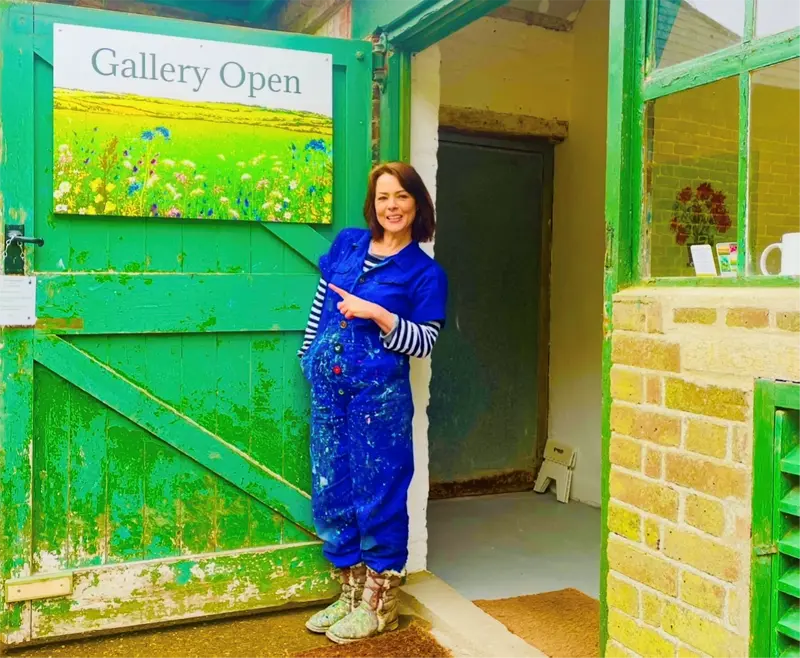
I had to learn skills I had never imagined needing. From designing and managing my own website to photographing my work, writing product descriptions, optimising pages for search engines and promoting my paintings across social media, there was a steep learning curve. At times it felt like learning an entirely new language. Looking back, I’m glad I persevered. Those digital skills have become just as important to my business as the time I spend at the easel, allowing me to reach collectors throughout the UK and the world.
One of the greatest advantages of getting older is that you begin to realise there is no such thing as a wasted experience. Teaching English abroad, running businesses, qualifying as a teacher, working in aviation, every chapter has equipped me with skills that I now use every day as an artist and business owner.
I think there is a common belief that our biggest opportunities belong to our twenties or thirties. My own experience couldn’t be more different. I didn’t truly find my career until I was fifty. Everything before then was preparation.
If my story proves anything, I hope it is this: it is never too late to change direction, never too late to start a business, and never too late to turn something you have always loved into your livelihood.
The years ahead don’t have to be about winding down. Sometimes they can be the years in which we do our best work. For me, that is exactly what being in my fifties has become: not an ending, but the beginning of the most fulfilling chapter of my working life.
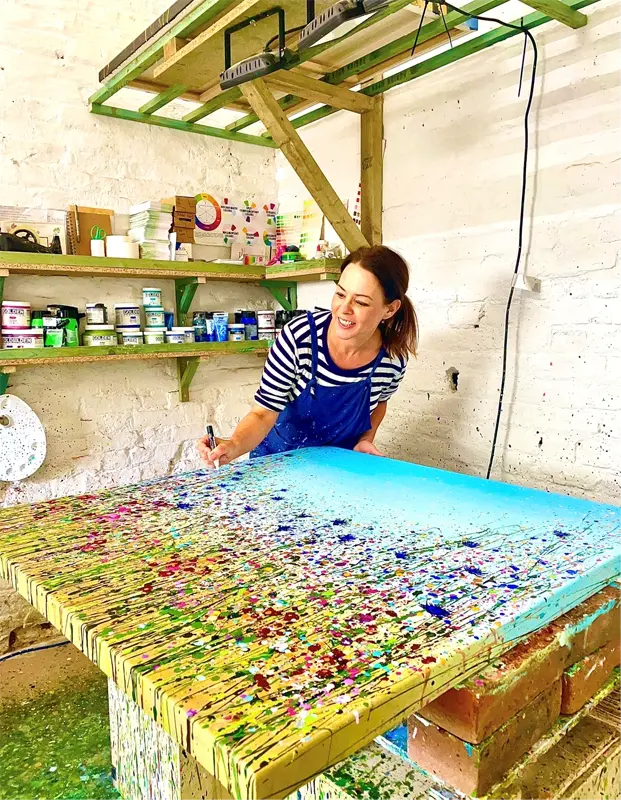
If Sally’s paintings are of interest to you, she can be contacted as follows.
Website: https://www.sallyoasispaintings.co.uk
Facebook: https://facebook.com/sallyoasisoriginalabstractart
Home » Listings » RentaSenior Blog
Cheap Day Trips from UK Airports

Breakfast at Home, Lunch in Europe and Back Home the Same Day
Fancy a bit of adventure? Discover how the over-50s can find cheap day trips from UK airports, spend a day in Europe and fly home the very same evening.
Being over 50 doesn’t mean losing your sense of adventure. For many of us, it’s quite the opposite. The children may have left home, work might be less demanding, retirement could be getting closer – or may already have arrived – and suddenly there’s a little more freedom to do something simply because it sounds like fun.
And an adventure doesn’t have to mean trekking across the Himalayas or spending thousands of pounds on a cruise.
It could be getting up early one morning, heading to your local airport and saying:
“I’m going abroad for lunch today.”
Welcome to the world of the Extreme Day Trip – flying from a UK airport in the morning, enjoying several hours somewhere different and returning home the very same evening.
No hotel. No suitcase. No week away.
Just a rather different day out.
What is an Extreme Day Trip?
The idea couldn’t be much simpler. You catch an early flight from your local UK airport and book a late flight home from the same destination. Depending on the route, you could have six, eight or even more hours to explore before heading back to the airport.
Imagine having breakfast in Britain, lunch in Dublin, Málaga or Gdańsk and being back in your own bed that night. The idea has become popular enough that websites now specifically search for same-day return flights from UK airports.
For people over 50, retired people and anyone able to travel midweek, it can be particularly interesting.
Why the over-50s are well placed to find cheap flights
Flexibility can be one of the biggest advantages of getting older. For years, many of us have travelled at exactly the same time as everybody else – Friday evenings, weekends, bank holidays and school holidays.
But perhaps you don’t need to anymore.
If you’re retired, semi-retired, self-employed or working flexible hours, Tuesday can become your Saturday.
And that’s important when looking for cheap flights.
Instead of saying:
“I want to go to Barcelona next Saturday.”
try asking:
“Where can I fly cheaply from my local airport next Tuesday?”
It’s a completely different way of travelling. You’re allowing the bargain to choose the destination.
Which UK airports are good for cheap European day trips?
One of the attractions of this idea is that it isn’t restricted to London. Low-cost and short-haul airlines operate from airports all over Britain.
Depending on current airline schedules, airports worth investigating include:
- Manchester Airport
- Liverpool John Lennon Airport
- Birmingham Airport
- Bristol Airport
- East Midlands Airport
- Leeds Bradford Airport
- Newcastle International Airport
- Edinburgh Airport
- Glasgow Airport
- London Stansted
- London Luton
- London Gatwick

There are plenty of smaller regional airports worth checking too.
Living close to an airport can suddenly become a considerable advantage.
Where could you go for the day from the UK?
Flight schedules change according to the season, but destinations worth looking for include:
- Dublin – Ireland
Probably one of the easiest places to try first. The flight is short, services operate from numerous UK airports and there’s more than enough to fill a day. - Belfast – Northern Ireland
Another excellent possibility, particularly if you can find an early flight out and late return. - Cork – Ireland
A compact city that’s well suited to exploring without trying to cover huge distances. - Málaga – Spain
A more adventurous option. With the right timetable you could swap a grey British morning for tapas and a walk beside the Mediterranean. - Alicante – Spain
Another destination worth watching when airlines offer a sufficiently early outbound and late return flight. - Gdańsk – Poland
A beautiful old city and potentially an interesting option from airports served by low-cost routes to Poland. - Cologne – Germany
A good city-break destination that may occasionally work as a same-day trip from Britain.
There are plenty of others. The important thing isn’t simply whether there’s a cheap flight.
It’s whether the flight times make the day worthwhile.
Dublin could be the perfect first trip
If you’ve never flown abroad just for the day, Dublin would be high on our list. The journey from Britain is short and there are flights from airports across the UK.
Once there, don’t try to see the whole city.
- Find a café for breakfast or coffee.
- Take a walk.
- Visit Trinity College.
- Stop somewhere interesting for lunch.
- Visit a museum or simply spend some time exploring.
- Have an early evening meal and head back to the airport.
You might be surprised how much of a holiday feeling you can get from being away for just a few hours.
Visit Dublin – Official Tourism Information
How about flying somewhere warm for the day?
This is where Extreme Day Trips become particularly tempting.
Imagine Britain in February.It’s cold, grey and raining.
Meanwhile, you’ve spotted a very cheap flight to southern Spain. You leave home early in the morning and a few hours later you’re sitting outside a café in Málaga.
- Coffee in the sunshine.
- A wander through the old town.
- Tapas for lunch.
- A walk along the waterfront.
- Then back to the airport for your evening flight.
Would you want to do it every week? Probably not.
But for an occasional adventure, it’s certainly different.
Beware of cheap flights to distant airports
Here’s something that can easily ruin a day trip. You’ve found a return flight for £25.
Brilliant.
Then you discover that the airport is a long way from the city you thought you were visiting.
When you’re away for a week, an hour or two on an airport bus isn’t necessarily a major problem.
When you’ve only got eight hours, it matters enormously.
Always check:
- Where is the airport?
- How long does it take to reach the city centre?
- How frequently do the buses or trains run?
- How much will the return airport transfer cost?
A £35 flight into a convenient airport could be a much better bargain than a £20 flight that costs you several hours and another £30 in transfers.
Aim for at least six hours at your destination
Don’t judge a day trip simply by the departure and arrival times.
Work out your usable time. If your flight lands at 10am but you don’t reach the city until 11.30am, that’s when your day really starts.
You then need to leave enough time to get back through the airport for your return flight. We’d look for at least six useful hours at the destination.
Eight or more would be even better. And don’t turn it into an endurance competition. There isn’t much point saving £20 if you have to get out of bed at 2am and arrive home completely exhausted.
- Stop for coffee.
- Use public transport.
- Have a decent lunch.
- Sit down occasionally.
You’re supposed to be enjoying yourself.
Best websites for finding cheap day trips from UK airports
Finding these trips is much easier if you know where to look.
This is a particularly useful starting point because the website specialises in finding trips where the outbound and return flights take place on the same day.
Excellent for comparing different days and checking whether changing your travel date produces a much cheaper fare.
One of our favourite tricks is to enter your local airport and choose Everywhere as the destination.
Instead of deciding where you’re going, you’re asking:
“Where’s cheap?”
That’s when you can find some interesting surprises.
Another useful flight comparison website, particularly if your dates are flexible.
Useful for exploring different routes and unusual flight combinations.
Once you’ve found a suitable flight through a comparison site, we’d also check the price directly with the airline before booking.
Check the low-cost airlines directly
Depending on your local airport, keep an eye on:
Airline schedules and prices change constantly, so today’s bargain may disappear tomorrow – while another one appears.
Don’t forget the airport transfer
Before pressing the booking button, work out how you’re getting from the destination airport into town.
Rome2Rio is useful for getting an idea of available trains, buses and journey times.
Also check the destination airport’s own website and local public transport operators before travelling.
Could you have a complete day abroad for under £100?
Potentially, yes.
Suppose you find a £35 return flight.
| Expense | Example Cost |
|---|---|
|
Return Flight |
£35 |
|
Getting to your UK airport |
£10 |
|
Airport transport abroad |
£15 |
|
Coffee/breakfast |
£7 |
|
Lunch |
£15 |
|
Early dinner |
£15 |
|
Total |
£97 |
These are only examples – actual prices could be considerably higher or lower.
But there’s one big expense missing: No hotel.
Travel with the small bag included with your ticket and you may also avoid paying for luggage.
A few things we’d take with us
For a single day, you really don’t need very much. A small backpack, comfortable shoes, phone, charging cable or power bank, glasses, any medication you need, a light waterproof and perhaps a refillable water bottle should cover most situations.
- Download your boarding passes before leaving home.
- Check the weather before you go.
And make sure you know exactly how you’re getting back to the airport.
Missing the last flight home could turn your £50 adventure into a rather expensive overnight stay.
What about passports and European entry requirements?
A one-day visit is still an overseas trip, so all the normal passport and immigration requirements apply.
Check that your passport meets the requirements of the country you’re visiting and make sure you understand any current European entry requirements before booking.
It’s also sensible to have appropriate travel insurance.
Always check the latest official advice rather than relying on something you read months ago.
UK Government Foreign Travel Advice
Try the 12 adventures in 12 months challenge
Here’s something we rather like.
Instead of making a New Year’s resolution that will be forgotten by February, how about:
12 months. 12 day trips. 12 adventures.
They don’t all have to be abroad.
- Perhaps Dublin one month.
- Belfast the next.
- Then Edinburgh.
- Málaga when you fancy some sunshine.
- Gdańsk somewhere along the way.
- A European Christmas market towards the end of the year.
Choose somewhere you’ve never visited.
- Take a photograph.
- Eat something local.
- Talk to somebody.
- Come home with a story.
That’s what travelling should be about.
Rentasenior Bargain Day Away
We think this could become an interesting regular feature here at Rentasenior.co.uk.
Rather than simply telling you that cheap flights exist, we’d like to find trips you could actually take.
We could look at different UK airports and find:
- cheap same-day return flights
- exact departure and return times
- how many hours you’ll actually have at the destination
- airport-to-city transport
- ideas for what to do during the day
- somewhere interesting for lunch
- approximate costs
- and whether we think the trip is genuinely worth doing
We might even set ourselves a challenge:

Can Rentasenior find a complete day abroad for under £75?
Because being over 50 doesn’t mean losing your sense of adventure. For some of us, it’s the first time we’ve had the freedom to really use it.
Breakfast in Britain. Lunch somewhere in Europe. Back in your own bed that night.
That sounds like a pretty good day to us.
Rentasenior.co.uk – Life doesn’t stop at 50. The adventure might just be starting.
Home » Listings » RentaSenior Blog
Banking Fraud in the UK: A Guide for the Over 50s
Every year, thousands of people across the UK lose millions of pounds to banking fraud. As more banking is done online, criminals are becoming increasingly sophisticated in the way they target victims.
While anyone can fall victim to fraud, people over 50 are often targeted because fraudsters believe they may have savings, pensions or property.
The good news is that by understanding how these scams work and knowing what to do if the worst happens, you can greatly reduce your chances of becoming a victim.

The Most Common Banking Scams
1. Impersonation Scams
A fraudster pretends to be from your bank, the police, HMRC or another trusted organisation. They may tell you that your account has been compromised and ask you to move your money to a “safe account.”
Remember: Your bank will never ask you to transfer your money to another account for security reasons.
2.Text Message (Smishing) Scams
You receive a text claiming there is a problem with your account and asking you to click a link.
These links usually lead to fake banking websites designed to steal your login details.
3. Email (Phishing) Scams
Fraudsters send convincing emails pretending to be your bank or another trusted company.
Never click links or download attachments from unexpected emails.
4. Telephone Scams
Someone calls claiming to be from your bank’s fraud department.
They may already know some personal information, making them sound genuine.
If this happens:
- Hang up.
- Wait a few minutes or use another phone.
- Call your bank using the number printed on the back of your debit or credit card.
5. Investment Scams
Fraudsters promise guaranteed high returns with little or no risk.
If an investment sounds too good to be true, it almost certainly is.
How to Protect Yourself
Simple precautions can make a huge difference.
- Never share your PIN, passwords or one-time security codes.
- Use strong, unique passwords for online banking.
- Enable two-factor authentication whenever available.
- Keep your computer, tablet and mobile phone updated.
- Be suspicious of unexpected phone calls, texts and emails.
- Never allow yourself to be rushed into making a payment.
- If in doubt, speak to a trusted friend or family member.
If you receive an unexpected call about your bank account, hang up and dial 159. This service connects you directly with your bank (where supported).
Think You’ve Been Scammed?
If you suspect you’ve become a victim of fraud, act immediately.
Step 1 – Contact Your Bank
Call your bank’s fraud department straight away using the telephone number printed on the back of your bank card.
Ask them to:
- Freeze your account if necessary.
- Stop any pending payments.
- Investigate any suspicious transactions.
- Issue replacement cards if required.
The quicker you act, the greater the chance of recovering your money.
Step 2 – Change Your Passwords
If you’ve shared any banking details:
- Change your online banking password immediately.
- Change your email password.
- Change any other passwords that use the same login details.
Step 3 – Report the Fraud
If you’ve been scammed, report it as soon as possible.
Report Fraud (England, Wales and Northern Ireland)
Website:
https://www.report-fraud.service.gov.uk
Telephone:
0300 123 2040
If you live in Scotland, report the matter to Police Scotland by calling 101.
Will My Bank Refund My Money?
In many situations, the answer is yes.
If someone accesses your account and steals money without your permission, UK banks will usually reimburse you unless they can show that you acted fraudulently or with gross negligence.
If you were tricked into sending money yourself (known as Authorised Push Payment (APP) Fraud), stronger protections now exist.
Since October 2024, most UK banks must reimburse eligible victims of APP fraud involving qualifying Faster Payments and CHAPS transactions, up to a maximum reimbursement limit set under the scheme (currently £85,000), although there are some exceptions.
Always contact your bank as quickly as possible.
Is Banking Fraud Covered by Insurance?
Many people assume that losing money through fraud will automatically be covered by their home insurance.
Unfortunately, this is not always the case.
Home Insurance
Most standard UK home insurance policies do not cover losses from:
- Online banking fraud
- Phishing scams
- Authorised Push Payment (APP) fraud
- Telephone banking scams
However, some insurers include additional benefits such as:
- Identity theft assistance
- Cyber protection
- Legal expenses cover
- Online shopping protection
- Financial fraud assistance
Every policy is different, so check your insurance documents or contact your insurer to find out exactly what is covered.
Cyber Insurance
Many insurers now offer Cyber Insurance or Digital Protection as an optional add-on.
This can include:
- Help recovering from identity theft
- Expert IT support if your devices are hacked
- Financial loss protection (subject to policy limits)
- Online fraud assistance
- Legal advice
- Dark web monitoring of your personal information
Although these policies can provide valuable support, they are not a substitute for good online security.
Identity Theft Protection
Several specialist companies also provide identity theft protection services.
These services may:
- Monitor your personal information online.
- Alert you if your identity has been compromised.
- Help restore your identity.
- Provide legal assistance.
- Help recover financial losses where possible.
Questions to Ask Your Insurer
When reviewing your insurance, ask:
- Does my policy cover online banking fraud?
- Is APP fraud included?
- Does it include identity theft protection?
- Are legal expenses included?
- Can I add cyber insurance?
- What are the claim limits and excess?
If Your Bank Refuses to Refund You
If your bank declines your claim:
- Make a formal complaint to your bank.
- If you’re still unhappy after receiving their final response (or after eight weeks), contact the Financial Ombudsman Service.
Financial Ombudsman Service
Website:
https://www.financial-ombudsman.org.uk
Telephone:
0800 023 4567
They provide a free and independent service for resolving disputes between consumers and financial organisations.
Useful Contacts
Your Bank
Use the telephone number printed on the back of your bank card.
159 – Stop Scam Calls
Telephone:
159
Website:
https://stopscamsuk.org.uk/159
Report Fraud
Telephone:
0300 123 2040
Website:
https://www.report-fraud.service.gov.uk
Financial Conduct Authority (FCA)
Website:
https://www.fca.org.uk
Consumer Helpline:
0800 111 6768
Financial Ombudsman Service
Website:
https://www.financial-ombudsman.org.uk
Telephone:
0800 023 4567
Police
Emergency:
999
Non-Emergency:
101

Fraud Prevention Checklist ✔
Before making any payment, ask yourself:
☐ Was this call, email or text unexpected?
☐ Am I being pressured to act immediately?
☐ Has someone asked me to keep this secret?
☐ Have I been asked to transfer money to a “safe account”?
☐ Has anyone asked for my PIN, password or security codes?
☐ Have I independently checked the phone number or website?
If the answer to any of these questions is yes, stop immediately and contact your bank.
Final Thoughts
Fraudsters rely on panic, urgency and trust. They are becoming increasingly convincing, but the best defence is to slow down, think carefully and never be afraid to question someone who contacts you unexpectedly.
Your bank will never pressure you into moving money, sharing your security details or giving someone remote access to your computer.
If something doesn’t feel right, trust your instincts. Stop, verify the situation independently and speak to your bank. A simple phone call could save you thousands of pounds.
Remember, anyone can become a victim of fraud. There is no embarrassment in asking for help. The sooner you report suspicious activity, the greater the chance of protecting your money and preventing criminals from targeting someone else.
Disclaimer -This document is for the UK use only, and serves purely as information and educational material only. Please consult your bank or financial institute, if you suspect there has been fraudulent activities on your account.
Rentasenior is a UK online portal for seniors aged 50 years or over, who through the Rentasenior portal can offer their skills and expertise to their local and wider community.
Home » Listings » RentaSenior Blog
Meet Sue from Essex

I was lucky enough to retire aged 60 and have never looked back. It is a whole new wonderful world.
I have always had admin jobs and the last 19 years of work I spent in an NHS Outpatient Clinic. The job became more difficult with endless amounts of red tape and never being able to keep up with the demand for appointments. I knew it was time to step away from the constant one step forward, two steps back.
I have been married to Eddie for 42 years and 5 years ago we moved to a completely new area, which was quite daunting. I have a large family of 3 sons and from them I have 11 grandchildren. The 6 boys and 5 girls range from aged 20 down to 9 months.
Family get togethers are chaotic and loud. They are my absolute world and play a big part in keeping me busy. Spending time with them and seeing them grow is such a joy. I do school pick-ups for 3 of them and because of my son’s shift pattern it isn’t every day so it still leaves me plenty of free time.
Since retiring I have found a few new hobbies, some of which I was not expecting. The most surprising was a love for playing golf against my husband on our PlayStation. We have such a giggle and it’s fun to do when the weather is miserable.
My second new hobby is gardening. My husband does dread when I say I have a new idea but he has made me some great planters and it allows me to look after the plants without needing to constantly kneel down. I never expected I would be so into the garden and I spend every chance tending to the plants while also watching the many birds who come to visit. My favourite flowers are roses and dahlias. We have a special memory rose to our parents and this year I have managed to successfully grow dahlias from bulbs, something my dad did every year.
I do love a spreadsheet and I use them regularly for many things. They are a good way for me to keep my mind ticking over. The main one I use is for our family tree I have been researching. I have an online tree but it’s very large so have a spreadsheet with a tab for each generation, concentrating on the grandparents and the children they have. It has been very interesting finding out where our ancestors lived before ending up in East London where both mine and Eddie’s parents were born.
One of the best parts of retirement is being able to have fewer things to stop you doing the things you want. Apart from doing the school pick ups when needed, and weekly shopping every Monday, the rest of the time is ours to spend how we like.
I like having a little bit of routine but being able to plan my day around the weather or what I feel like is so good. You don’t need to spend lots of money going out either. A walk along a sea front or in a country park and being around nature is so refreshing and invigorating.
My advice to anyone worried about retirement is embrace it. After many years of work it is time to enjoy the latter years of your life without the demands of commuting and deadlines, etc.
Money might be tighter for most and the important part is being able to cover your essential bills. Everything else is a choice plus you don’t need to worry about booking annual leave so you can have a holiday, a weekend away, a special day out or just some chill time – you can do these things when you want to. You have earned it.
Rentasenior would like to thank Sue for her account of her retirement from her 60th birthday with her husband Eddie and all those grandchildren.
If you have a story to tell and would like it published on this blog, please reach out and send us a message to info@rentasenior.co.uk
Rentasenior is a UK online portal for seniors aged 50 years or over, who through the portal, can offer their skills and expertise to their local and wider community.
Home » Listings » RentaSenior Blog
Staying Healthy Over 50 in the UK

GP Check-Ups, Giving Back Through Donation, and NHS Screenings
Turning 50 often makes you think more seriously about your health, and the good news is the NHS has plenty of practical support to help you stay on track. From routine GP visits and free screenings to ways you can donate blood, plasma, or organs, there are lots of simple steps worth taking.
I’ve pulled together everything from the key checks, regular appointments, and donation options into one straightforward guide. All based on current NHS info – always check official sites or speak to your GP for advice that fits your situation.
Start Here: Regular Checks with your GP
Your GP surgery is the best first port of call. There isn’t one universal annual MOT for every healthy person, but several reviews are recommended or easy to request.
The NHS Health Check (often called the midlife MOT) is free for ages 40–74 without certain pre-existing conditions like diabetes or heart disease. Offered every five years, it covers blood pressure, cholesterol, BMI, waist measurement, lifestyle questions, and your risk of heart disease, stroke, and type 2 diabetes.
Over 65? You’ll also get info on dementia signs. Takes about 20–30 minutes and ends with personalised advice. If you haven’t been invited, just call your GP surgery or local council to arrange one.
If you have a long-term condition (diabetes, high blood pressure, heart issues, asthma, etc.), you should get annual reviews with your GP or practice nurse. These usually include relevant blood tests (HbA1c, cholesterol, kidney function), medication reviews, foot checks (for diabetes), blood pressure, and lifestyle support.
For people over 75, many practices offer an annual health check on request. It’s a good opportunity to review your medicines, mobility, mood, and any concerns. Ring reception to book.
Other things worth discussing regularly with your GP:
- Blood pressure monitoring (more often if raised).
- Medication reviews, especially if you’re on multiple tablets.
- Vaccinations – annual flu for many over 50/65, plus shingles, pneumococcal, and COVID boosters as advised.
- Lifestyle topics: diet, exercise, smoking, alcohol, weight, and mental wellbeing.
- Falls prevention if you’re over 65 or at risk.
- Blood tests as needed (full blood count, kidney/liver function, vitamin D, etc.).
Key contacts
Call your GP surgery first. For non-emergency NHS advice, ring 111. Don’t wait for symptoms – book that appointment and have an open conversation.
Giving Back: Blood, Plasma, and Organ Donation
Once you’re looking after your own health, donating can feel really rewarding and genuinely helps others.
Blood Donation: Saves lives every day for accident victims, surgery patients, and more. You need to be generally healthy, aged 17–65 (or older if you’ve donated before), and weigh at least 50kg. Sessions take around an hour including checks.
You can donate every 12–16 weeks. Download the NHS Give Blood app or visit www.blood.co.uk to sign up and book. Call 0300 123 23 23 with questions.
Plasma Donation: Plasma is turned into medicines for immune disorders, clotting problems, and other conditions. It’s done at dedicated centres in Birmingham, Reading, and Twickenham. You can often donate more frequently than whole blood. Same basic eligibility – check the website for full details. https://www.blood.co.uk/plasma/
Organ and Tissue Donation: Registering takes just a couple of minutes and one donor can save up to nine lives while helping many more through tissue (corneas, skin, bones, etc.). You can choose specific organs/tissues or opt out. In England there’s an opt-out system for adults, but recording your wishes makes things clear for your family. Living donation (e.g., a kidney or part of your liver) is possible for some. Register at www.organdonation.nhs.uk or call the 24/7 Organ Donor Line on 0300 123 23 23. Tell your loved ones what you’ve decided.
General donation tip: Both blood/plasma and organ donation are voluntary and free (paying donors is illegal in the UK). Demand is always high, especially for certain blood types and from diverse communities.
NHS Screening Programmes for Over-50s
These population programmes focus on early detection of cancers and other conditions. They’re invitation-based if you’re registered with a GP, so keep your contact details up to date. Screening is for people without symptoms – contact your GP promptly if you have concerns (e.g., bowel changes, breast lumps, urinary issues).
Breast Screening (Mammogram): Offered every three years to women and people with breasts aged 50 up to 71 (first invitation between 50–53). Over 70? You can self-refer. It’s a quick X-ray. Trans/non-binary individuals – check with your GP. If not invited by ~53, contact your local breast screening service (find via NHS.uk or your GP). More info: NHS Breast Screening
Bowel Cancer Screening (FIT Home Test Kit): Sent every two years to people aged 50–74. Simple at-home test for hidden blood in stool. Over 75? Call the free helpline on 0800 707 6060. If no kit arrives when expected, contact the helpline or your GP. More info: NHS Bowel Cancer Screening
Abdominal Aortic Aneurysm (AAA) Screening (mainly for men): One-off ultrasound scan in the year you turn 65 to check for dangerous swelling in the aorta. Men (and trans women/non-binary assigned male at birth) are invited automatically. Over 65 and missed it? Self-refer via your local service (search on NHS.uk). More info: NHS AAA Screening
Lung Health Checks: For ages 55–74 who have ever smoked (current or former). Involves a lung assessment and possibly a low-dose CT scan if higher risk. Available in more areas now – ask your GP or search locally. More info: NHS Lung Cancer Screening
Prostate Cancer: No routine population screening on the NHS, as the PSA blood test isn’t considered reliable enough for everyone (risk of overdiagnosis). Men over 50 (or earlier with family history or Black ethnicity) can discuss a PSA test with their GP. Targeted screening exists for a small high-risk group (e.g., certain BRCA2 carriers aged 45–61), but it’s limited. Action: Talk to your GP about symptoms or risks – no automatic invitation. More info https://www.nhs.uk/tests-and-treatments/psa-test/
Other Relevant Checks:
- Cervical screening for people with a cervix, up to age 64 (every 3–5 years, HPV test) – continues automatically. More Info https://www.nhs.uk/tests-and-treatments/cervical-screening/
- Diabetic eye screening if you have diabetes (regular/annual). https://www.nhs.uk/tests-and-treatments/diabetic-eye-screening/
- Other health checks: Over-40s/50s may get the NHS Health Check mentioned earlier for cardiovascular risk.
General advice for screenings: They’re optional – read the information and balance benefits versus risks. Programmes evolve (e.g., bowel screening age lowered, lung rollout continuing), so check NHS.uk for the latest.
Register with a GP and keep details current to receive invitations.
Looking after your health after 50 doesn’t need to be overwhelming. Start with your GP for regular reviews, consider donating if you can, and attend those screening invitations. Small consistent actions make a big difference for you and for others.
For personalised advice, speak to your GP surgery. Here’s to feeling strong and making the most of the years ahead!
Disclaimer -This document is for the UK use only, and serves purely as information and educational material only. Please consult your General Practitioner in the first instance or the 111 NHS service at https://111.nhs.uk/ if you need help and support in any of these areas.
Rentasenior is a UK online portal for seniors aged 50 years or over to offer their skills and expertise to their local community.
Home » Listings » RentaSenior Blog
Spotlight on Inge
A spotlight on the driving force behind the Retiring on a Shoestring Facebook Group.

I was working as a senior lecturer, teaching computing degrees. Employer was short staffed and all staff burnt out. I have care responsibilities too, so working five full days and three evenings until 9pm, marking and prep at weekends and any spare moment. I was so tired.
Pretty sure menopause was kicking in, over work, ADHD deciding to really kick in where I had masked it before. All of work pressure on top of care responsibilities, my patience was diminishing.
I joined some groups online for retiring to see if retiring early was an option. If I had listened to them, no, I could not afford it. They were all £400k this, and £200k that. I am not quite yet 60, so no state pension, just a measly work pension. I would be retiring on £11k a year.
Less than a thousand pounds a month. It didn’t seem feasible. To these sites I was a laughing stock. With my figures, I wasn’t taken seriously. But one day, one work request too many, I was too stretched. I snapped and handed in my notice.
I had several months of ‘OMG what have I done’.
I decided to start my own Facebook group in the hope of gaining a few hints and tips on retiring with less money. The ‘Retiring on a Shoestring UK’ was born. Almost a year later, ….39,000k members later, I was a little overwhelmed at how many people were in the same boat as me.
I had to enrol some helpers and we now have a wonderful team of admins and moderators who I can’t thank enough for keeping the site free of spammers and junk.
Members have been great and I feel the group has been a success, helping not only me, but 39,000 of us! Off to wrap and store my supermarket 4p veg, thanks to someone’s post on my site. I can do this!
Instead of worrying about what I haven’t got, I now appreciate everything I have got. I love having time to play in my garden, time to do all the hobbies I have wanted to do for decades, just time to live. Living frugally has now become a fun challenge rather than a worry! Happy retirement doesn’t have to be about money!
Here is a link to Inge’s Facebook page. https://www.facebook.com/groups/714818594515656/
Rentasenior thanks Inge for her contribution to this blog and encourage you all to visit her Facebook Group.
Rentasenior is a UK online portal for seniors aged 50 years or over to offer their skills and expertise to their local community.
Home » Listings » RentaSenior Blog
Thinking of writing a Book?
If you are thinking of writing a book and leaving a legacy for your family , future family and friends, here are some ideas on how to get started.

Focus on personal stories, family history, or words of wisdom for your grandchildren. This route gives you complete control, keeps costs low, and ensures the book reaches your family without needing commercial success.
Many retirees have created lovely memoirs or “legacy books” this way — often short, heartfelt volumes of 40–150 pages that become treasured family heirlooms.
Clarify Your Vision and Audience
Start by deciding what kind of book you want to create:
- A family memoir covering your life story, childhood, career, and key events.
- Collected family history or genealogy.
- Letters of advice and wisdom.
- Or a mix of all these.
- Legacy books often centre on the lessons you’ve learned, your joys and regrets, family values, and stories you want to pass on to your grandchildren.
Audience tip: Write primarily for your family. Keep it personal, honest, and emotional. Link specific memories to the feelings they stirred and the broader lessons they taught.
Length and scope: Begin small — perhaps 10,000–30,000 words or even a shorter photo-rich book — to avoid feeling overwhelmed. You can always expand later.
Helpful tip: Use simple prompts such as “What life lessons do I want to share?” or “Which stories from my past shaped who I am?” Free-write on paper or record voice memos if typing feels tiring.
Writing Process & Templates
Structure helps make the task feel manageable.
Tools for retirees:
- Pen and paper or a simple word processor like Microsoft Word or free Google Docs.
- Dictation: Try Google Docs voice typing, Apple Dictation, or Otter.ai.
- Organise chapters chronologically or thematically (e.g., Childhood, Family Life, Lessons Learned).
Pace yourself: Aim for 500 words a day or just a few sessions a week. Joining a writing group provides great support and accountability.
Gather materials: Collect old photos, letters, and diaries. Scan them for inclusion. Always respect privacy and ask permission when including other family members’ stories.
Recommended free templates & prompts:
- Memoir outlines: Reedsy’s free Memoir Outline Template (chronological or thematic) — search “Reedsy Memoir Outline Template” on https://reedsy.com/blog/guide/memoir/how-to-outline-a-memoir/.
- Creativindie chapter outline templates: https://www.creativindie.com/how-to-write-a-nonfiction-book-free-chapter-outlining-templates/.
- Family history templates (e.g., “Pen Portraits”): https://wartsandall.blog/2020/06/14/5-templates-to-quick-start-writing-your-family-history/.
- Grandparent-specific prompts: Search https://writer-ish.com/50-impactful-memoir-writing-prompts-to-get-you-writing-today/.
Quick tip: Open a free Google Doc, copy a template, and fill it in at your own pace. Use voice typing to make it even easier.
UK Book Writing Clubs, Groups & Courses
Writing with others makes the process more enjoyable and keeps you motivated.
- U3A (University of the Third Age): Perfect for retirees. Many local groups run creative writing or memoir sessions, both in-person and online. Website: https://www.u3a.org.uk/ — search by postcode.
- Society of Authors local groups: https://societyofauthors.org/groups/local-groups/.
- Courses:
- National Centre for Writing (memoir courses): https://nationalcentreforwriting.org.uk/.
- Open University short courses: https://www.open.ac.uk/.
Editing and Design
- Self-edit first, then ask family or friends for feedback.
- For professional polish, hire a freelance editor via Reedsy: https://reedsy.com/.
- Canva is excellent for simple layouts and covers: https://www.canva.com/.
Visuals: Include family photos — aim for high resolution (300 dpi) to ensure they print well.
Formatting & Cover Templates
- Interior formatting:
- Free Amazon KDP Word templates: https://kdp.amazon.com/help/topic/G201834230.
- Reedsy Studio (free online formatter): https://reedsy.com/studio/format-a-book.
- Covers: Canva has many free, customisable memoir/autobiography templates: https://www.canva.com/book-covers/templates/.
How to Publish — Step-by-Step
Self-publishing is fast, low-risk, and you keep all rights. Traditional publishing is rarely suitable for personal legacy books.
Step 1: Get an ISBN
This is recommended for a professional touch Nielsen ISBN Agency: https://www.nielsenisbnstore.com/.
Step 2: Choose your platform
- Amazon KDP (easiest for beginners): https://kdp.amazon.com/ — free ebooks and print-on-demand paperbacks/hardcovers. Great for ordering copies for family.
- IngramSpark: https://www.ingramspark.com/ — wider distribution to bookshops and libraries.
- Lulu.com or Blurb: Good for small private runs.
Step 3: Upload and publish
Prepare your manuscript as PDF, design the cover, order a proof copy, check everything, then go live. Print-on-demand means no large upfront stock.
Costs: A basic DIY book can cost under £100–£500 (editing, cover help, proofs). Full professional services cost more but are optional.
Other Options & Support
If you want more hands-off help:
- Troubador Publishing (UK assisted self-publishing): https://troubador.co.uk/ | Tel: 0116 279 2299 | Email: books@troubador.co.uk.
- LifeBook Memoirs (specialist family memoir service with ghostwriting and beautiful books): https://www.lifebookmemoirs.com/ | Contact: https://www.lifebookmemoirs.com/contact/.
- Alliance of Independent Authors (ALLi): https://www.allianceindependentauthors.org/ and https://selfpublishingadvice.org/.
- Society of Authors (SoA): https://societyofauthors.org/ | Tel: 020 3880 2230 | Email: membership@societyofauthors.org (concessions for over-65s).
Legal and Practical Tips
- Copyright: Automatically protected in the UK. Simply add “Copyright © [Your Name] [Year]. All rights reserved.”
- Be mindful of data protection with living relatives’ details.
- Track any income if you sell copies (usually minimal for family projects).
Sharing Your Legacy
- Order physical copies (hardcovers are especially nice) for your grandchildren.
- Create a PDF or ebook version for easy sharing.
- Host a family reading session or recording.
- Consider expanding later with video interviews or a family website.
Quick start suggestion:
- Visit the U3A website and explore local groups.
- Download a memoir outline template today.
- Spend 20–30 minutes on one writing prompt.
Many seniors find this project deeply rewarding — it helps you reflect on your life and creates a lasting connection across generations. The process is flexible: do as much or as little yourself as you like. Freelancers and services are available if you hit any roadblocks.
Your grandchildren will cherish this tangible piece of you for years to come. Good luck — it’s a wonderful project! If you share more details (your rough location, book type, length preference, or any specific challenges), I can offer more tailored advice.
Rentasenior is a UK online portal for seniors aged 50 years or over to offer their skills and expertise to their local community.