
Home » Blog » RentaSenior Blog » Banking Fraud in the UK: A Guide for the Over 50s
Banking Fraud in the UK: A Guide for the Over 50s
18th August 2026
Every year, thousands of people across the UK lose millions of pounds to banking fraud. As more banking is done online, criminals are becoming increasingly sophisticated in the way they target victims.
While anyone can fall victim to fraud, people over 50 are often targeted because fraudsters believe they may have savings, pensions or property.
The good news is that by understanding how these scams work and knowing what to do if the worst happens, you can greatly reduce your chances of becoming a victim.
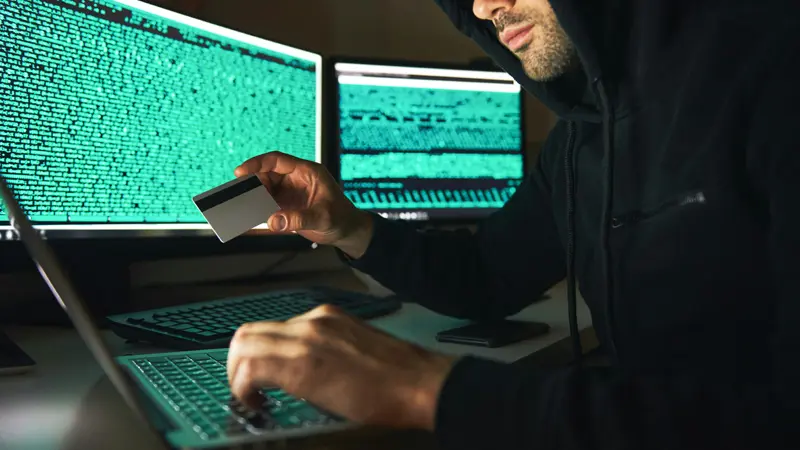
The Most Common Banking Scams
1. Impersonation Scams
A fraudster pretends to be from your bank, the police, HMRC or another trusted organisation. They may tell you that your account has been compromised and ask you to move your money to a “safe account.”
Remember: Your bank will never ask you to transfer your money to another account for security reasons.
2.Text Message (Smishing) Scams
You receive a text claiming there is a problem with your account and asking you to click a link.
These links usually lead to fake banking websites designed to steal your login details.
3. Email (Phishing) Scams
Fraudsters send convincing emails pretending to be your bank or another trusted company.
Never click links or download attachments from unexpected emails.
4. Telephone Scams
Someone calls claiming to be from your bank’s fraud department.
They may already know some personal information, making them sound genuine.
If this happens:
- Hang up.
- Wait a few minutes or use another phone.
- Call your bank using the number printed on the back of your debit or credit card.
5. Investment Scams
Fraudsters promise guaranteed high returns with little or no risk.
If an investment sounds too good to be true, it almost certainly is.
How to Protect Yourself
Simple precautions can make a huge difference.
- Never share your PIN, passwords or one-time security codes.
- Use strong, unique passwords for online banking.
- Enable two-factor authentication whenever available.
- Keep your computer, tablet and mobile phone updated.
- Be suspicious of unexpected phone calls, texts and emails.
- Never allow yourself to be rushed into making a payment.
- If in doubt, speak to a trusted friend or family member.
If you receive an unexpected call about your bank account, hang up and dial 159. This service connects you directly with your bank (where supported).
Think You’ve Been Scammed?
If you suspect you’ve become a victim of fraud, act immediately.
Step 1 – Contact Your Bank
Call your bank’s fraud department straight away using the telephone number printed on the back of your bank card.
Ask them to:
- Freeze your account if necessary.
- Stop any pending payments.
- Investigate any suspicious transactions.
- Issue replacement cards if required.
The quicker you act, the greater the chance of recovering your money.
Step 2 – Change Your Passwords
If you’ve shared any banking details:
- Change your online banking password immediately.
- Change your email password.
- Change any other passwords that use the same login details.
Step 3 – Report the Fraud
If you’ve been scammed, report it as soon as possible.
Report Fraud (England, Wales and Northern Ireland)
Website:
https://www.report-fraud.service.gov.uk
Telephone:
0300 123 2040
If you live in Scotland, report the matter to Police Scotland by calling 101.
Will My Bank Refund My Money?
In many situations, the answer is yes.
If someone accesses your account and steals money without your permission, UK banks will usually reimburse you unless they can show that you acted fraudulently or with gross negligence.
If you were tricked into sending money yourself (known as Authorised Push Payment (APP) Fraud), stronger protections now exist.
Since October 2024, most UK banks must reimburse eligible victims of APP fraud involving qualifying Faster Payments and CHAPS transactions, up to a maximum reimbursement limit set under the scheme (currently £85,000), although there are some exceptions.
Always contact your bank as quickly as possible.
Is Banking Fraud Covered by Insurance?
Many people assume that losing money through fraud will automatically be covered by their home insurance.
Unfortunately, this is not always the case.
Home Insurance
Most standard UK home insurance policies do not cover losses from:
- Online banking fraud
- Phishing scams
- Authorised Push Payment (APP) fraud
- Telephone banking scams
However, some insurers include additional benefits such as:
- Identity theft assistance
- Cyber protection
- Legal expenses cover
- Online shopping protection
- Financial fraud assistance
Every policy is different, so check your insurance documents or contact your insurer to find out exactly what is covered.
Cyber Insurance
Many insurers now offer Cyber Insurance or Digital Protection as an optional add-on.
This can include:
- Help recovering from identity theft
- Expert IT support if your devices are hacked
- Financial loss protection (subject to policy limits)
- Online fraud assistance
- Legal advice
- Dark web monitoring of your personal information
Although these policies can provide valuable support, they are not a substitute for good online security.
Identity Theft Protection
Several specialist companies also provide identity theft protection services.
These services may:
- Monitor your personal information online.
- Alert you if your identity has been compromised.
- Help restore your identity.
- Provide legal assistance.
- Help recover financial losses where possible.
Questions to Ask Your Insurer
When reviewing your insurance, ask:
- Does my policy cover online banking fraud?
- Is APP fraud included?
- Does it include identity theft protection?
- Are legal expenses included?
- Can I add cyber insurance?
- What are the claim limits and excess?
If Your Bank Refuses to Refund You
If your bank declines your claim:
- Make a formal complaint to your bank.
- If you’re still unhappy after receiving their final response (or after eight weeks), contact the Financial Ombudsman Service.
Financial Ombudsman Service
Website:
https://www.financial-ombudsman.org.uk
Telephone:
0800 023 4567
They provide a free and independent service for resolving disputes between consumers and financial organisations.
Useful Contacts
Your Bank
Use the telephone number printed on the back of your bank card.
159 – Stop Scam Calls
Telephone:
159
Website:
https://stopscamsuk.org.uk/159
Report Fraud
Telephone:
0300 123 2040
Website:
https://www.report-fraud.service.gov.uk
Financial Conduct Authority (FCA)
Website:
https://www.fca.org.uk
Consumer Helpline:
0800 111 6768
Financial Ombudsman Service
Website:
https://www.financial-ombudsman.org.uk
Telephone:
0800 023 4567
Police
Emergency:
999
Non-Emergency:
101

Fraud Prevention Checklist ✔
Before making any payment, ask yourself:
☐ Was this call, email or text unexpected?
☐ Am I being pressured to act immediately?
☐ Has someone asked me to keep this secret?
☐ Have I been asked to transfer money to a “safe account”?
☐ Has anyone asked for my PIN, password or security codes?
☐ Have I independently checked the phone number or website?
If the answer to any of these questions is yes, stop immediately and contact your bank.
Final Thoughts
Fraudsters rely on panic, urgency and trust. They are becoming increasingly convincing, but the best defence is to slow down, think carefully and never be afraid to question someone who contacts you unexpectedly.
Your bank will never pressure you into moving money, sharing your security details or giving someone remote access to your computer.
If something doesn’t feel right, trust your instincts. Stop, verify the situation independently and speak to your bank. A simple phone call could save you thousands of pounds.
Remember, anyone can become a victim of fraud. There is no embarrassment in asking for help. The sooner you report suspicious activity, the greater the chance of protecting your money and preventing criminals from targeting someone else.
Disclaimer -This document is for the UK use only, and serves purely as information and educational material only. Please consult your bank or financial institute, if you suspect there has been fraudulent activities on your account.
Rentasenior is a UK online portal for seniors aged 50 years or over, who through the Rentasenior portal can offer their skills and expertise to their local and wider community.
No comments found.
Leave a Reply